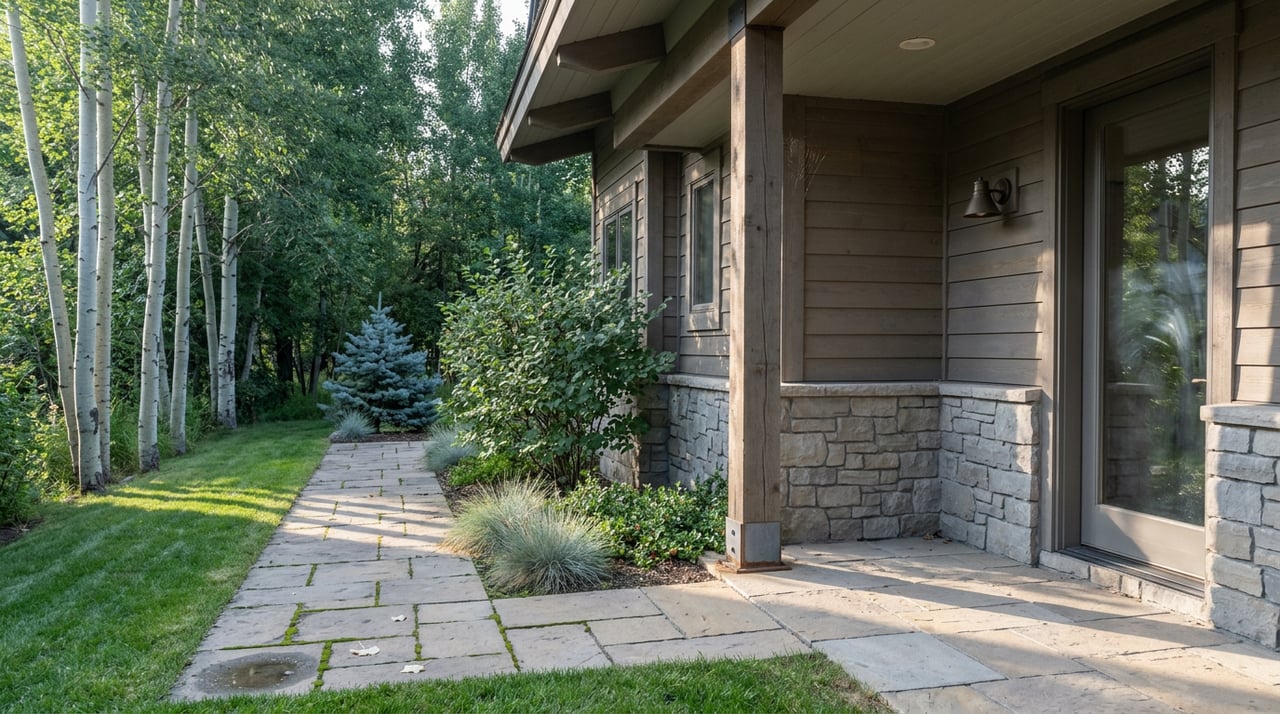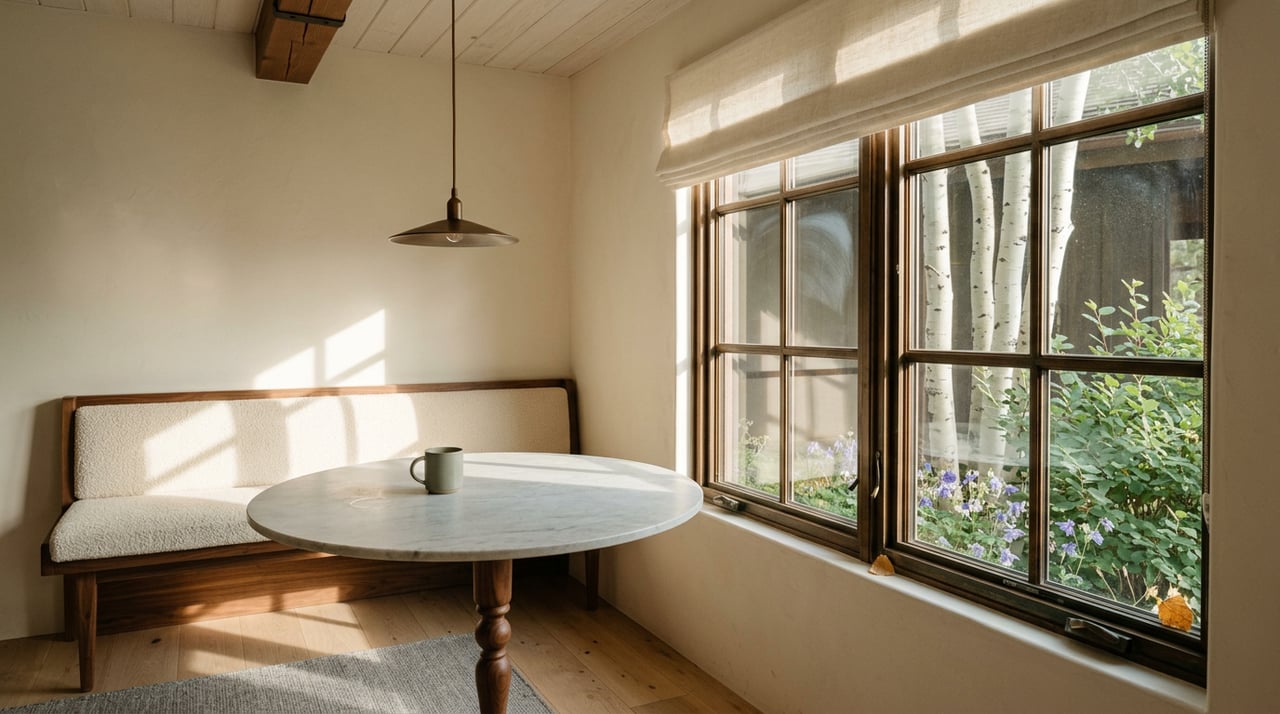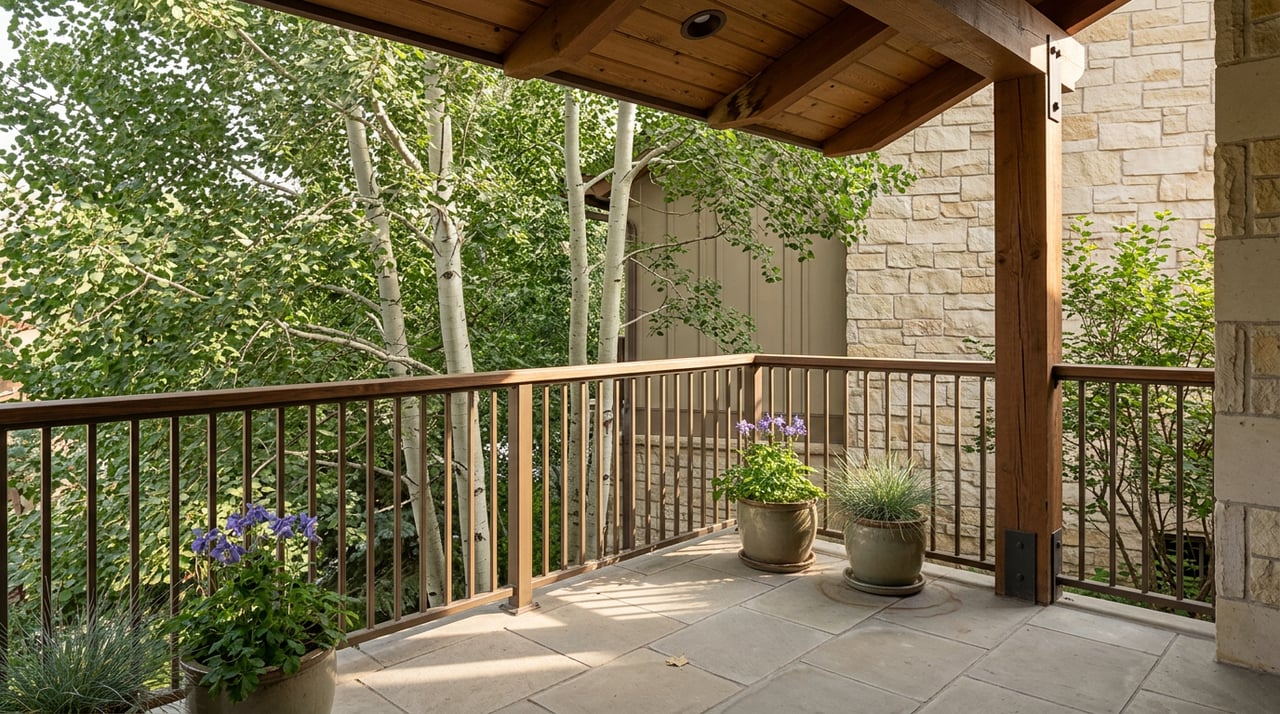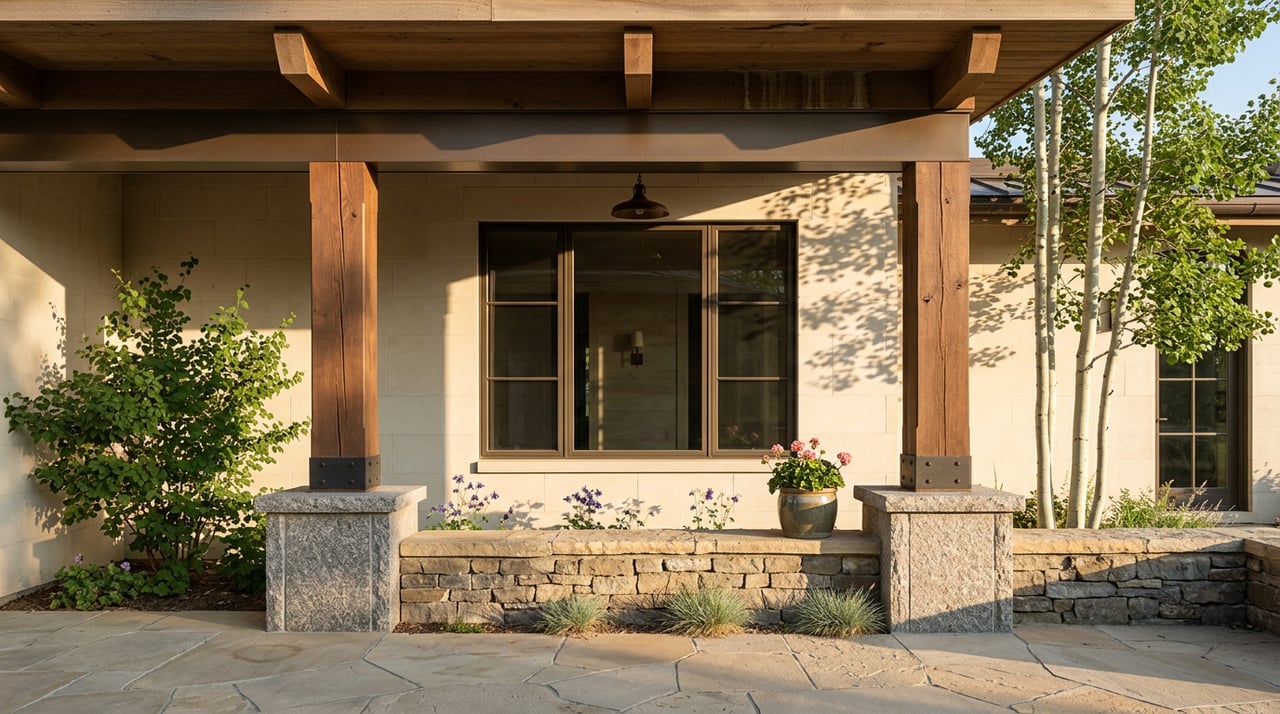
If you have ever walked through Vail Village and felt that the place itself is part of the luxury, you are not imagining it. The homes here do more than provide shelter near the mountain. They reflect a carefully shaped alpine setting where walkability, views, materials, and human-scale design all work together. If you are buying, selling, or simply studying what makes Vail Village homes so distinct, understanding that design language can help you see value more clearly. Let’s dive in.
Why Vail Village Design Feels Different
Vail Village was planned as a pedestrian alpine core, not a typical car-centered neighborhood. From the beginning, the village took cues from classic European alpine architecture, and the Town of Vail continues to protect that character through its planning and design standards.
That shows up in the way the village feels when you move through it. Buildings are meant to support a low-scale, human-scale environment, with a connected pedestrian network and carefully preserved view corridors toward Vail Mountain and other landmark features.
For you as a buyer or seller, that matters because architecture in Vail Village is not just personal taste. It is part of the larger setting, and that setting is a major part of the appeal.
Alpine Style Starts With the Exterior
Chalet Forms Shape the Streetscape
The architectural vocabulary in Vail Village is often described as Tyrolean, chalet-style, or European alpine. In practice, that usually means layered façades, visible structure, moderate roof pitches, and generous overhangs that create depth and shelter.
According to the Vail Village Urban Design Guide Plan, roofs typically fall within a 3/12 to 6/12 pitch range. Overhangs often extend 3 to 6 feet, and exposed beams or carved structural elements beneath the eaves help reinforce the alpine character without making the roofscape feel overly busy.
Materials Stay Natural and Grounded
One of the reasons Vail Village feels cohesive is its restrained material palette. Common exterior materials include stucco, brick, wood, and glass, but the Town’s design guidance emphasizes that too much variety can weaken the continuity of the streetscape.
Stucco is noted as the most consistent material in the village. Colors are expected to stay within a natural range that relates to wood tones, stone, slate, and the mountain backdrop, which helps homes feel connected to the landscape instead of competing with it.
Windows and Balconies Do Real Work
In Vail Village, windows and balconies are major design features, not decorative extras. The local design language favors human-scaled windows, divided lights, bay or box projections, and wood trim that support the intimate feel of the pedestrian core.
Balconies are also expected to be usable and visually tied to the structure. Deep, semi-transparent balconies in wood or wrought iron fit the village better than fully glazed panels or simple pipe rails, which means a well-designed exterior often balances beauty with function.
Interior Design Has Shifted Toward Warm Modern
Open Layouts Support Mountain Living
Inside many Vail Village homes and condos, the older closed-off ski condo layout has gradually given way to more open living. Local design references point to open kitchens, connected great rooms, and larger dining areas that make it easier to gather after a day on the mountain.
If you are comparing properties, this matters because floor plan can shape how a home lives day to day. Open layouts often make better use of light, views, and conversation, especially in homes designed for hosting family and guests.
Natural Materials Keep Spaces Comfortable
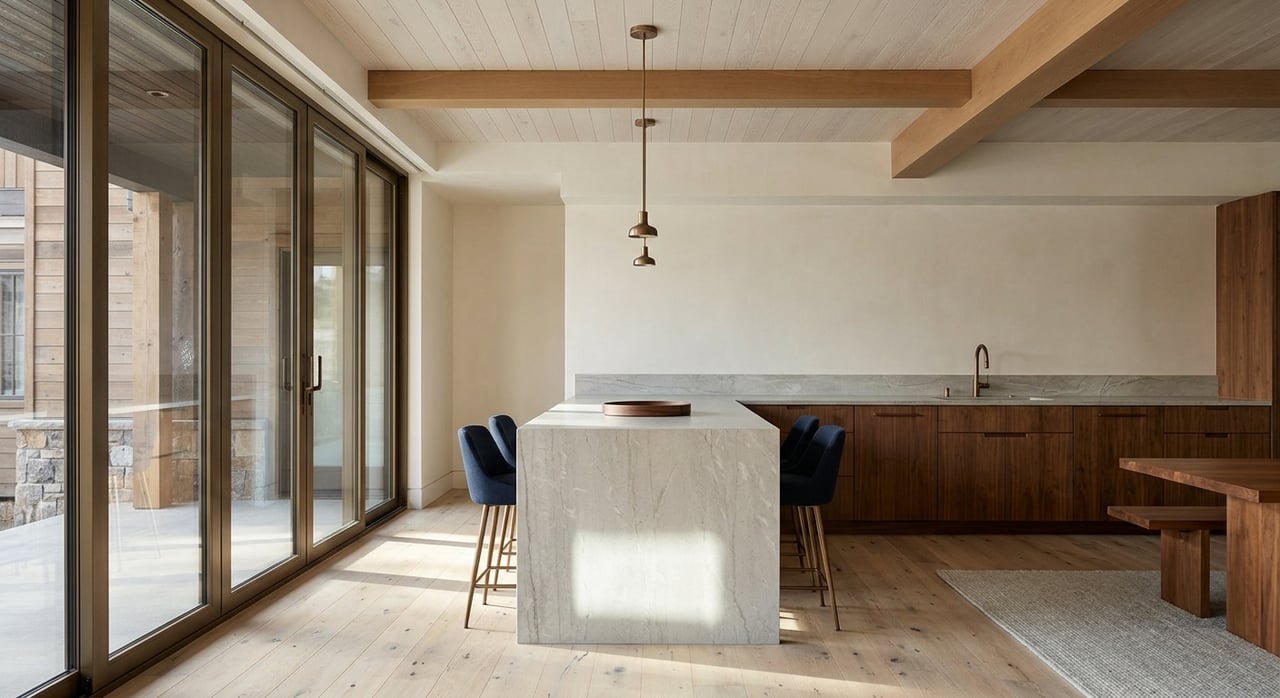
The most appealing contemporary interiors in Vail tend to feel warm rather than stark. Designers often use reclaimed wood beams, stone, limestone, wool, leather, and other natural materials to create a refined but comfortable alpine look.
That is why the phrase warm modern fits so well here. It describes homes with clean lines and open flow, but also enough texture and substance to feel welcoming in a mountain setting.
Storage Is Part of Good Design
In a resort community, practical details matter. Strong storage for skis, boots, coats, and outdoor gear is one of the recurring priorities in well-designed Vail homes.
This can be easy to overlook when you first tour a property. But smart storage can make a big difference in how organized, relaxed, and usable a home feels during ski season and beyond.
Views and Outdoor Spaces Matter More Here
Outdoor Rooms Are Part of the Home
In Vail Village, decks, patios, and balconies are not leftover exterior spaces. They are part of how a home connects to the village and to the surrounding mountain environment.
The local design guidance treats these spaces as active elements that can improve shelter, sunlight access, and street vitality. For you, that means a terrace with good sun, wind protection, and easy access from the main living space can add real day-to-day value.
View Corridors Influence Design
The Town of Vail places major emphasis on preserving view corridors. These protections help maintain views of Vail Mountain, the Gore Range, the Clock Tower, and other landmark elements that shape the village experience.
That planning priority has a direct impact on homes. Residences that frame important views, respect the surrounding scale, and avoid blocking key sightlines tend to align more closely with what makes Vail Village special in the first place.
Sun and Shade Also Affect Livability
Mountain design is not just about appearance. The master plan also addresses sun and shade comfort, recognizing how building massing can affect daily life in an alpine climate.
That can influence how enjoyable a balcony feels in the afternoon, how bright a living room is in winter, or how inviting a patio becomes during different seasons. In other words, good design in Vail Village often shows up in comfort as much as curb appeal.
What Buyers Should Look For
If you are shopping for a home or condo in Vail Village, it helps to look beyond square footage and finishes. The strongest properties often combine design details that support both lifestyle and long-term desirability.
Here are a few features worth watching closely:
- Walkable location within the pedestrian-oriented village core
- Protected or well-framed views from main living spaces
- Usable outdoor areas with good sun and shelter
- Natural materials that fit the alpine setting
- Open, warm-modern interiors that feel inviting rather than cold
- Functional gear storage for skis, outerwear, and seasonal use
- Human-scale exterior details that align with village character
When you see these features working together, you are usually looking at a home that understands its setting.
What Sellers Should Highlight
If you are preparing to sell a Vail Village property, architecture and design deserve a central place in the story. Buyers in this market often respond to the full experience of a residence, not just the bedroom count or finish level.
That means it is worth clearly presenting how your home fits the village design DNA. A property may stand out because of its balcony depth, indoor-outdoor flow, natural material palette, mountain view sightlines, open gathering spaces, or simply how comfortably it lives after a ski day.
In a luxury market like Vail Village, subtle design strengths can shape perception in a meaningful way. The more thoughtfully those details are identified and communicated, the easier it is for buyers to understand the value.
Why Architecture Supports Long-Term Value
Vail Village has a strong identity because its walkability, alpine character, and view quality are protected as part of the public realm. Official Vail materials describe the area as a pedestrian core with access to Gondola One, nearby parking, and a free bus system that makes getting around easier without depending on a car.
That bigger framework supports the appeal of the homes within it. When a residence strengthens the qualities that people come to Vail Village for, such as walkability, usable outdoor space, protected views, and authentic alpine design, it tends to feel more aligned with the market over time.
A simple way to think about it is this: walkability + protected views + alpine character + usable outdoor rooms + quality materials. In Vail Village, that combination is not just attractive. It is part of what makes a property compelling.
Design Insight Helps You Buy and Sell Smarter
In Vail Village, architecture is never just cosmetic. It shapes how a home lives, how it relates to the village, and how buyers understand its value.
If you want guidance on buying or selling a Vail Village property with an eye for design, setting, and long-term fit, Ben Kleimer offers local insight shaped by decades of experience in the Vail Valley.
FAQs
What architectural style is most common in Vail Village homes?
- Vail Village homes often reflect a Tyrolean, chalet-style, or European alpine design language, with layered façades, moderate roof pitches, generous overhangs, and natural materials.
What exterior materials are typical in Vail Village properties?
- Common materials include stucco, brick, wood, and glass, with design standards favoring natural colors and a cohesive palette that fits the mountain setting.
What does warm modern design mean in Vail Village homes?
- Warm modern usually refers to open interiors with clean lines, natural light, wood and stone finishes, and a comfortable alpine feel rather than a stark or industrial look.
Why do views matter so much in Vail Village real estate?
- Views matter because the Town of Vail protects important view corridors and the village experience is closely tied to visual connections to Vail Mountain, the Gore Range, and other landmark features.
What floor plan features should buyers look for in Vail Village condos and homes?
- Buyers often look for open kitchen and great-room layouts, generous dining space, guest sleeping flexibility, strong gear storage, and main living areas that capture mountain or village views.
How can sellers showcase architecture and design in a Vail Village listing?
- Sellers can highlight natural materials, indoor-outdoor flow, balcony or patio usability, view sightlines, open gathering spaces, and details that reflect the village’s alpine character.