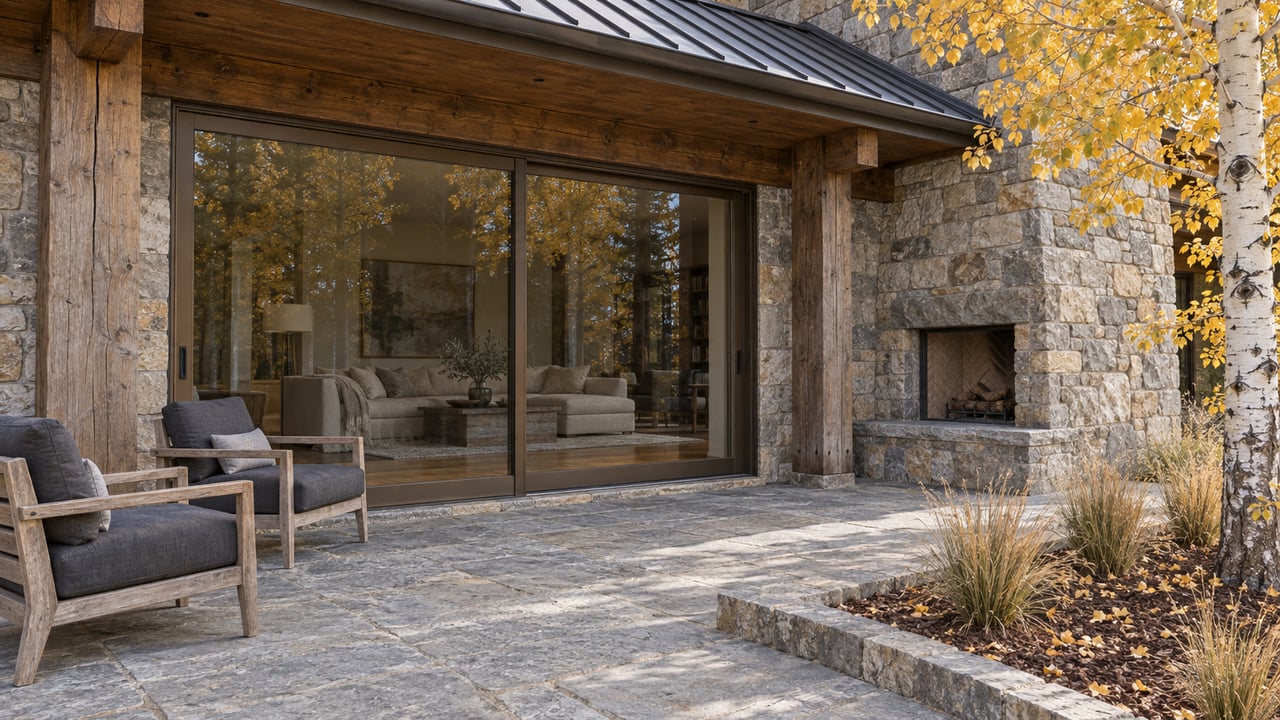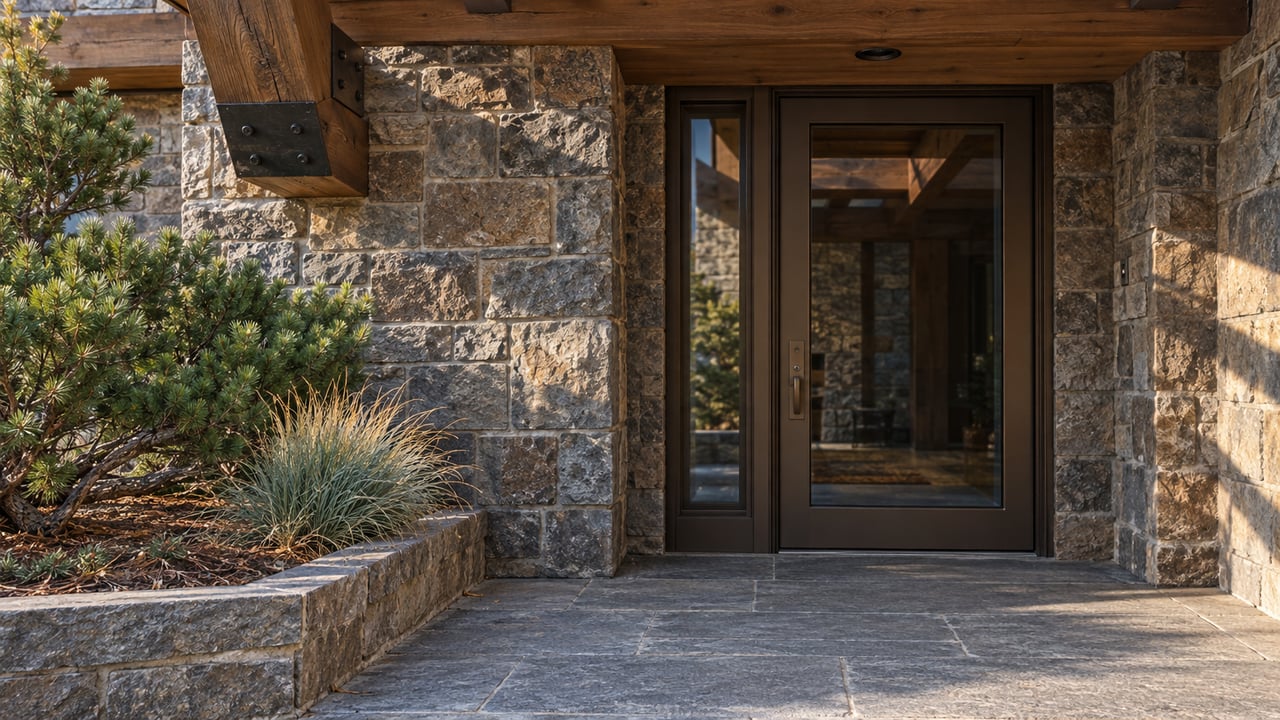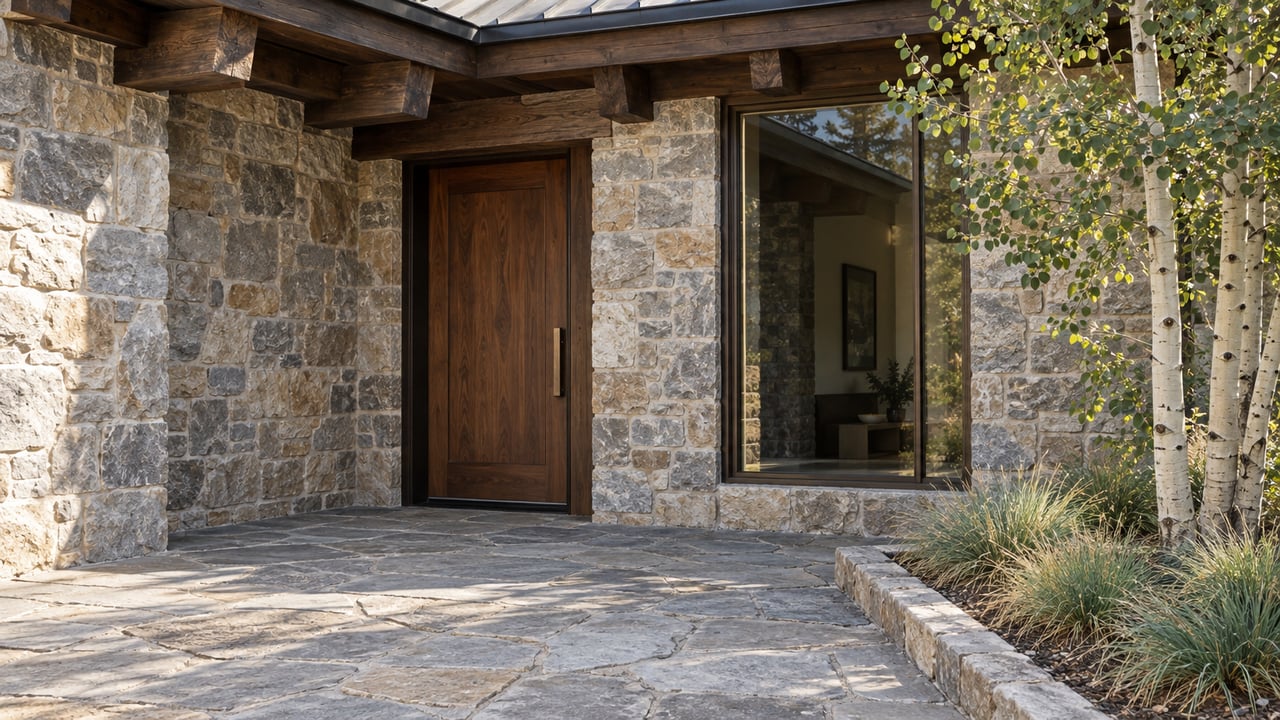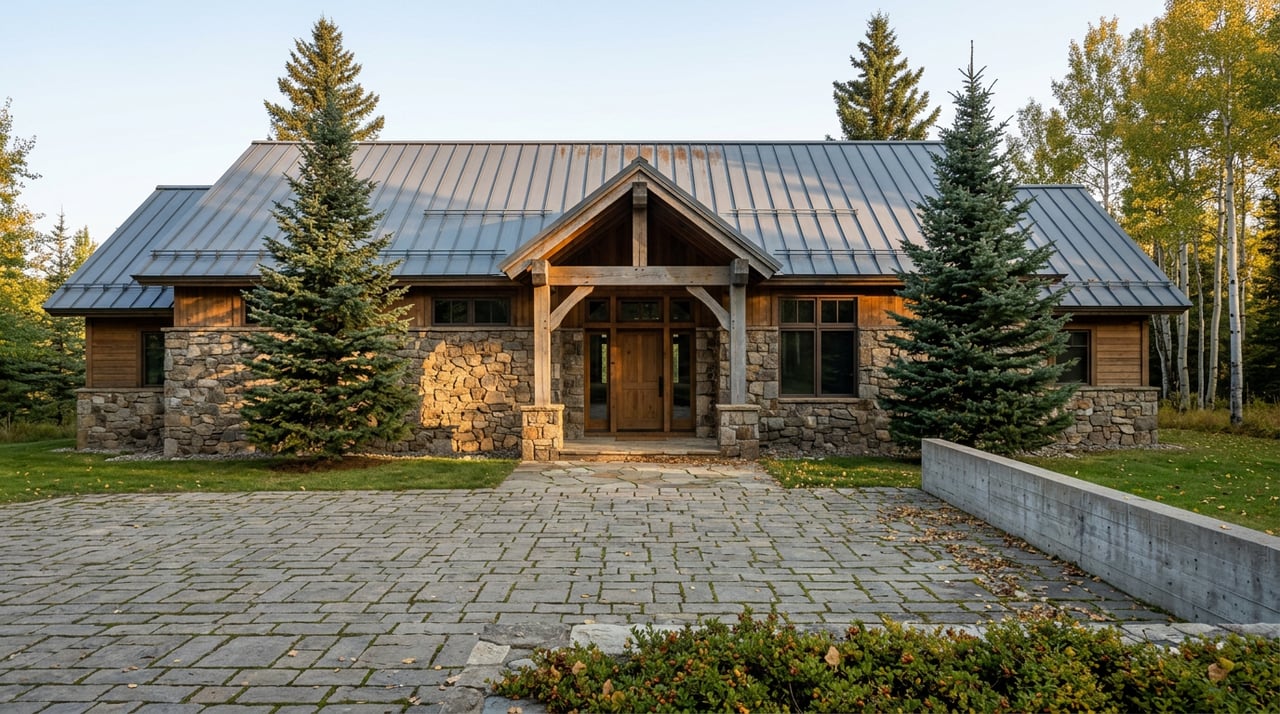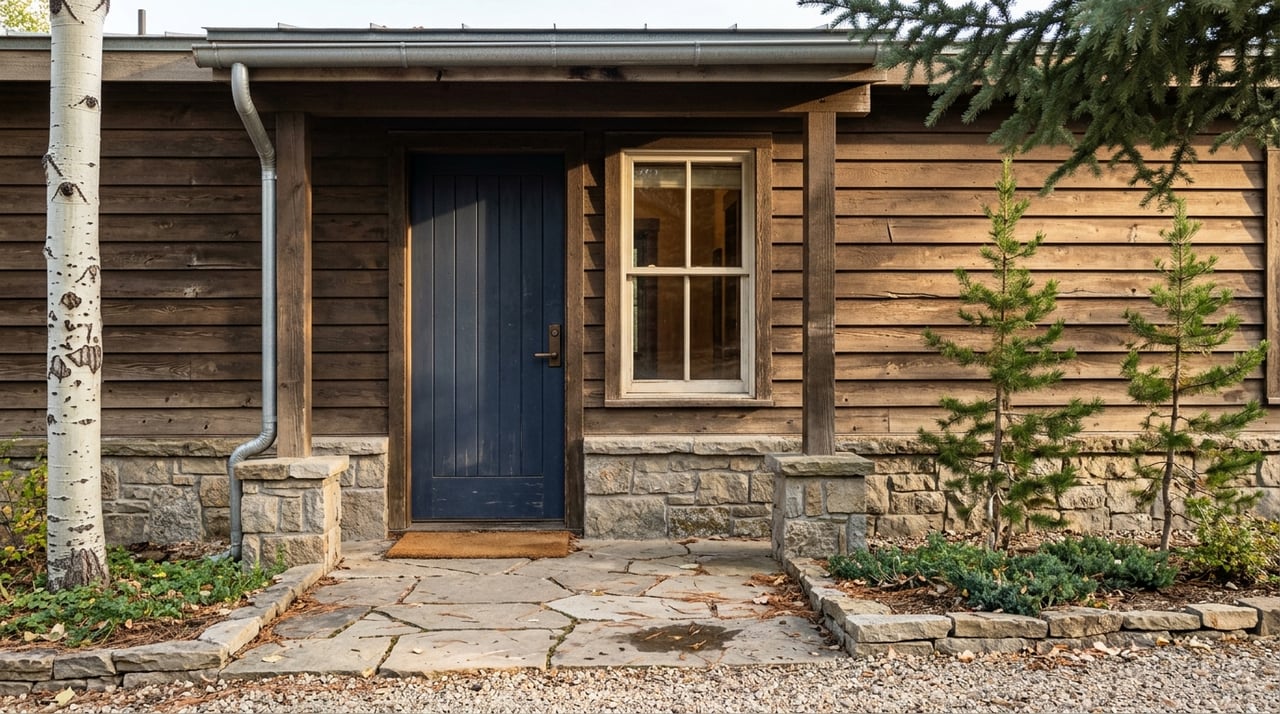
If you are drawn to old wood floors, steep mountain streets, and homes with real history, Minturn and Red Cliff offer something rare in the Vail Valley. Buying a historic mountain home here can be deeply rewarding, but it also asks more of you than buying a newer property. If you understand the local rules, maintenance needs, and site conditions before you close, you can make a smarter decision and protect the character that drew you in. Let’s dive in.
Why Minturn and Red Cliff Stand Out
Minturn and Red Cliff are both historic Eagle County communities, but they tell different stories. Minturn grew as a railroad division point in the late 1800s and incorporated in 1904, while Red Cliff began in 1879 as the first permanent settlement on the Eagle River and is recognized as the oldest town in Eagle County.
That difference still shapes the housing stock you will see today. Minturn tends to reflect an old railroad-town feel with historic architecture and older close-to-street homes, while Red Cliff has a mining-town setting defined by steep slopes, gulches, and the Eagle River corridor.
For many buyers, that is the appeal. You are not just buying square footage. You are buying setting, architectural character, and a more authentic mountain-town experience close to Vail and Beaver Creek.
What Historic Ownership Means in Minturn
Minturn has a formal historic-preservation program and a Historic Preservation Commission. In general, properties or districts must be at least 75 years old and meet one or more significance criteria to be considered for designation, and the process can take up to four months.
One of the biggest local points to understand is that Minturn’s design guidelines apply to any exterior alteration anywhere in town. If a property is historically designated, the review also follows the Secretary of the Interior’s standards. Interior design is not reviewed by the Historic Preservation Commission.
There are also a few due-diligence details that matter before you buy. Historic designation runs with the land, the town says designation should not increase property taxes, and even non-designated properties older than 75 years may face a 14-day posting period when exterior work is proposed.
If you are buying in Minturn’s Old Town area, ask early about the historic resource survey covering the 100 through 700 blocks. That kind of detail can shape your renovation timeline and the approvals you may need later.
What Historic Ownership Means in Red Cliff
Red Cliff approaches historic character through its planning and zoning code. The town defines a historic structure by reference to the National Register, state inventory, or local inventory.
That matters because Red Cliff’s code directly addresses rehabilitation and repair in a mountain environment. In floodplain situations, the town may allow variances for reconstruction, rehabilitation, or repair of historic structures when the work is the minimum necessary to preserve historic character and does not prevent continued historic designation.
Red Cliff also has broader historic recognition. The town is listed on the National Register of Historic Places, but that does not automatically protect every property from alteration or demolition under local building rules.
For buyers, the takeaway is simple. National or state recognition can create opportunities for tax credits and grants, but local code still drives what you can build, alter, or repair.
Renovation Starts With Local Review
If you plan to improve a historic home, your first call should not be to a cabinet showroom. In Minturn and Red Cliff, the smarter move is to understand local planning and preservation review before final design decisions are made.
In Minturn, historic questions are routed through town planning staff and the Historic Preservation Commission. In Red Cliff, planning, zoning, building, and floodplain rules can all affect what is feasible on a site.
This is especially important if you are thinking about exterior changes. Siding, windows, additions, grading, drainage work, and site access can all become more complicated when a property has historic status or sits in a sensitive mountain setting.
Build the Right Team Early
A historic purchase often needs a more specialized bench than a standard remodel. Depending on the property, your team may include:
- Town planning or historic-preservation staff
- A preservation-minded architect or contractor
- A surveyor
- A structural or geotechnical engineer for steep or complex sites
- A tax professional if incentives may apply
That team matters because mountain lots and older structures can hide expensive surprises. In Red Cliff, for example, certain projects may require a recent topographic survey, flood-elevation documentation, or engineer or architect certification.
Know the Incentives, but Read the Fine Print
Historic homes can come with incentive opportunities, but you need to match the program to your intended use. History Colorado provides technical assistance, historic-property data, grant support, tax credits, and a directory of professional contractors and consultants.
If a property may qualify for tax incentives, bring in a tax professional early. The federal 20% rehabilitation credit applies only to income-producing historic buildings, which means owner-occupied residences do not qualify.
Colorado also administers historic-preservation tax credits and related incentives through History Colorado and the Department of Revenue. In some cases, early coordination matters because approvals and certification can be part of the process.
Investors Should Pay Attention to Local Zoning
Minturn’s 2024 ordinance update added some flexibility for historically designated downtown properties, including live/work use and short-term-rental allowances in specific zones. Those rules are narrow and location-specific, so they should never be assumed.
If you are buying with mixed personal and investment goals, confirm exactly what the zoning allows before you close. A property’s charm does not always line up with the use you have in mind.
Mountain Maintenance Is Part of the Deal
Owning a historic mountain home is not just about preserving old details. It is also about managing climate, water, snow, and site conditions in a place where weather can be hard on buildings.
The first preservation task is simple: keep water out. Roofs, gutters, downspouts, and flashing should be inspected early and often because water intrusion can lead to a long list of avoidable problems.
Masonry also needs close attention. Freeze-thaw cycles can worsen cracking and surface damage when brick, stone, or mortar hold moisture.
Historic windows deserve a careful look too. In many cases, repair, storm windows, and weatherization may be practical options instead of full replacement.
Site Conditions Matter as Much as the House
In Red Cliff, drainage, retaining walls, grading, and floodplain conditions can be just as important as the home itself. The town’s steep-slope canyon setting means exterior site planning is often part of long-term ownership strategy.
Red Cliff’s code also requires snow storage to be considered in planning and uses flood-resistant methods in special flood hazard areas. That is one reason a beautiful lot should always be evaluated for function, not just views.
In Minturn, buyers should also confirm utility details early. The town provides potable water, while Eagle River Water & Sanitation District provides sewer service, so it is wise to verify service lines and billing before closing.
Wildfire and Resilience Planning
Historic character and resilience should work together. In mountain communities near forested land, defensible space should be part of your landscape plan.
Colorado State Forest Service guidance recommends planning for wildfire mitigation and consulting local wildfire-mitigation professionals. That does not mean every property carries the same risk, but it does mean wildfire planning belongs in your ownership budget and long-term maintenance thinking.
For design-aware buyers, this is where stewardship adds real value. A thoughtful approach can help you protect the home, respect its setting, and make decisions that support long-term use.
Questions to Ask Before You Buy
If you are considering a historic home in Minturn or Red Cliff, a few questions can save you time and money:
- Is the property on a local, state, or national historic list?
- What exterior work triggers review?
- Is the site in a floodplain or on a steep slope?
- What are the drainage and snow-storage realities?
- Are wildfire mitigation steps needed?
- What utility and access details should be confirmed early?
- If you plan to renovate, who should review plans first?
These are not minor details. In towns like Minturn and Red Cliff, they shape renovation cost, timeline, and even whether a project is practical at all.
Why the Right Local Guidance Matters
Historic homes in Minturn and Red Cliff appeal to buyers who value authenticity, architecture, and a strong sense of place. The tradeoff is that ownership usually comes with more research, more permit awareness, and more maintenance than you would expect in a newer resort subdivision.
That does not make these homes harder to love. It just means the best purchase decisions are informed ones.
When you understand the town context, preservation framework, and mountain-specific risks, you can buy with more confidence and create a long-term plan that fits both the property and your lifestyle. If you are considering a historic mountain home in Minturn or Red Cliff, working with a locally grounded advisor can help you evaluate the details that matter most. Ben Kleimer can help you navigate the Vail Valley with a sharp eye for architecture, setting, and long-term value.
FAQs
What makes a home historic in Minturn?
- In Minturn, properties or historic districts generally must be at least 75 years old and meet one or more significance criteria, according to the town’s preservation program.
What exterior work is reviewed in Minturn?
- Minturn says its design guidelines apply to any exterior alteration anywhere in town, and historically designated properties also follow additional preservation standards.
What should buyers know about historic homes in Red Cliff?
- Buyers should review local planning, zoning, building, and floodplain rules because Red Cliff’s code can affect repair, reconstruction, grading, and other site-related decisions.
Do historic homes in Minturn or Red Cliff qualify for tax credits?
- Some properties may qualify for incentives, but eligibility depends on the program and intended use, and the federal rehabilitation credit applies only to income-producing historic buildings.
What maintenance matters most for a historic mountain home?
- Roofs, gutters, downspouts, flashing, masonry, drainage, and weatherization should be high on your list because water and freeze-thaw conditions are major causes of deterioration.
What site risks should buyers check in Red Cliff?
- Buyers should look closely at floodplain status, steep slopes, drainage, retaining walls, grading constraints, and snow-storage requirements before closing.
What utilities should buyers confirm in Minturn?
- Buyers should confirm potable water service through the town and sewer service through Eagle River Water & Sanitation District, along with service-line and billing details.
Who should you talk to before renovating a historic home in Minturn or Red Cliff?
- Start with local planning or historic-preservation staff, then bring in a preservation-minded architect or contractor and other specialists based on the site and scope of work.